Wearable vision for confined-space work

See your hands where your eyes can’t reach.

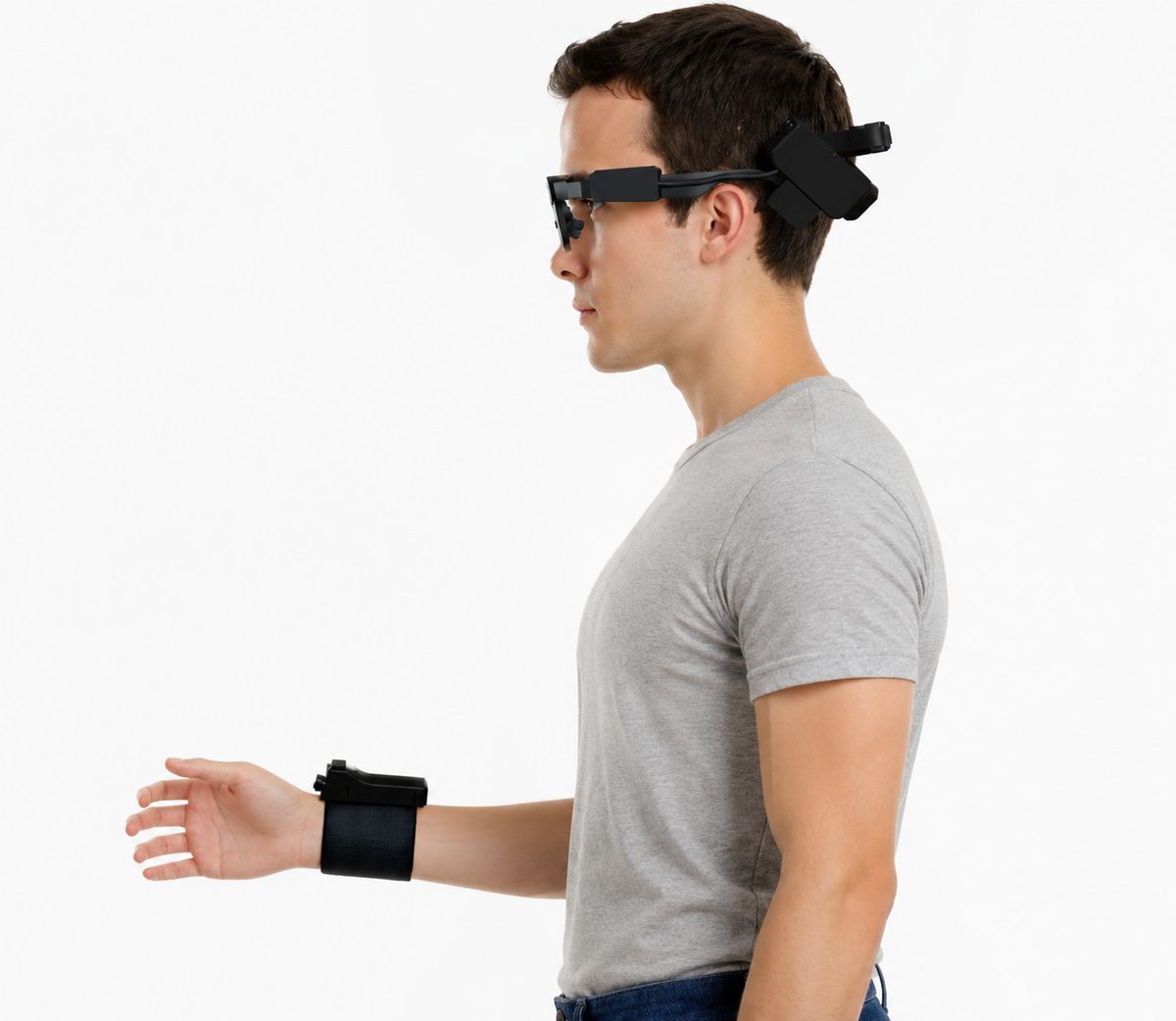
MIRAGE smart glasses paired with a wrist-mounted camera stream a live view of the worker’s own hands inside blind, confined spaces — in aerospace assembly, and anywhere a hand goes where the eyes can’t: pressure vessels, piping, turbines.

Founded by an ex-COMAC process engineer who designed the pylon assembly station on a widebody aircraft programme — and lived this problem firsthand.

WRIST CAM — LIVE Worker wearing MIRAGE smart glasses and the wrist camera unit

The problem

Skilled work happens where no one can see

Working blind is slow

Reaching into wings, pylons and engine bays by feel costs hours and drives rework.

The workaround weakens the aircraft

Teams cut access windows into panels just to fit a hand or a line of sight — sacrificing structural strength.

Sometimes it is simply impossible

In tight structures a person cannot get their eyes on the work at all.

Crawling into a wing or stabilizer cavity to fasten by hand is time-consuming, limits build rate, and is ergonomically hard — and for tight structures it may not be possible at all.

— documented across aerospace manufacturing, incl. Boeing assembly patents

The current process

What blind assembly actually looks like

A pylon side panel has one small round access hatch. To fasten a diaphragm behind it, the worker:

01

Reaches both arms in through the hatch

02

Loses sight of the fastening point almost entirely

03

Tries to align the diaphragm by feel alone

04

Pulls the head back out, repositions the body

05

Reaches back in — and repeats until the part seats

06

Only then torques the fasteners

Where the time actually goes

Not the torquing of bolts — the losses come from:

  • Searching for the holes
  • Finding the right position for the part
  • Checking whether it is seated correctly
  • Constantly repositioning the body
~25–45%

MIRAGE removes the need to work blind — cutting visual search and part-positioning time. Estimated reduction in task time for limited-visibility operations, with fewer assembly errors. Engineering estimate — to be confirmed in production trials.

Where else this applies

The same blind reach, in every heavy industry

The constraint is not the inspection or the fastening — it is line of sight. Wherever a hand fits and a head does not, the same losses appear.

Pressure vessels and tanks

Internal inspection and repair where entry means a confined-space permit, a standby watch, and hours of preparation.

Piping and valve assemblies

Working behind flanges and inside manifolds where the fitting is reachable but not visible.

Turbines and rotating equipment

Borescope access is narrow; hands-on work inside the casing is still done by feel.

The product

A working prototype today

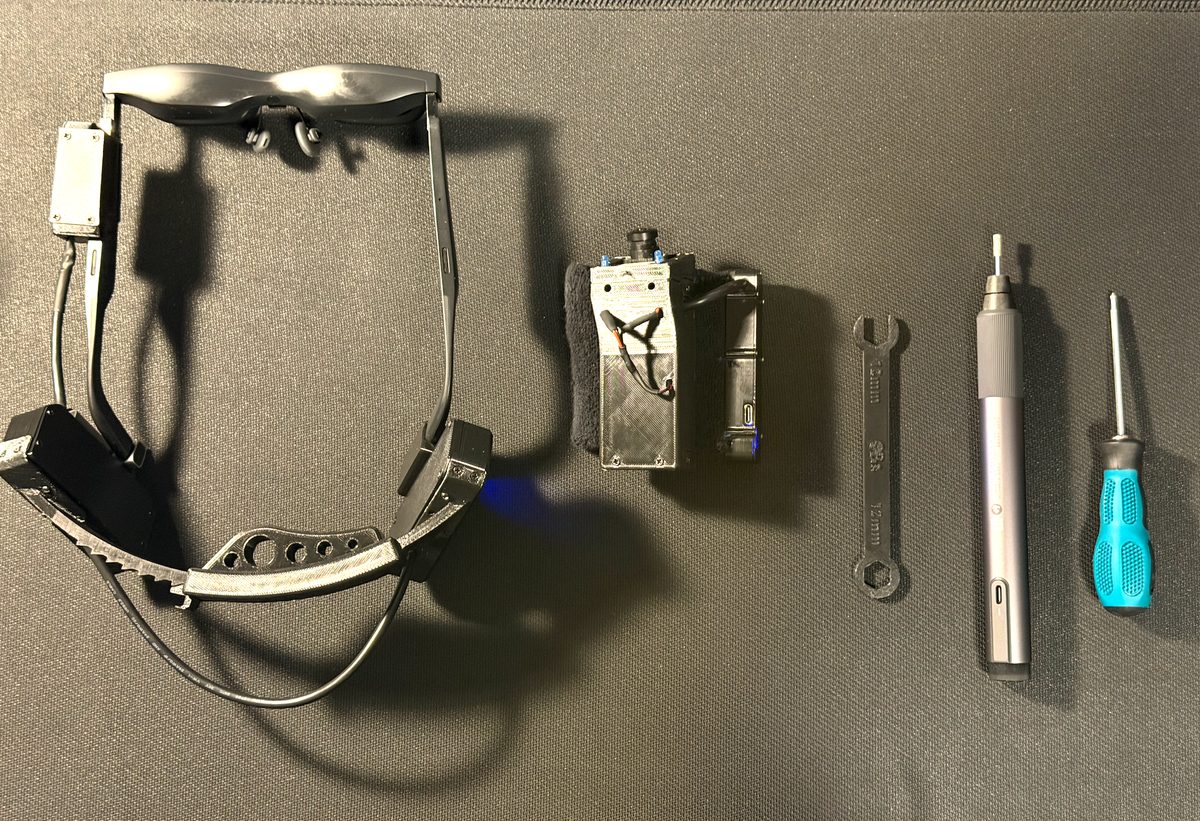
Real hardware — not a render. Both clips below are unedited capture from the prototype.

Capture

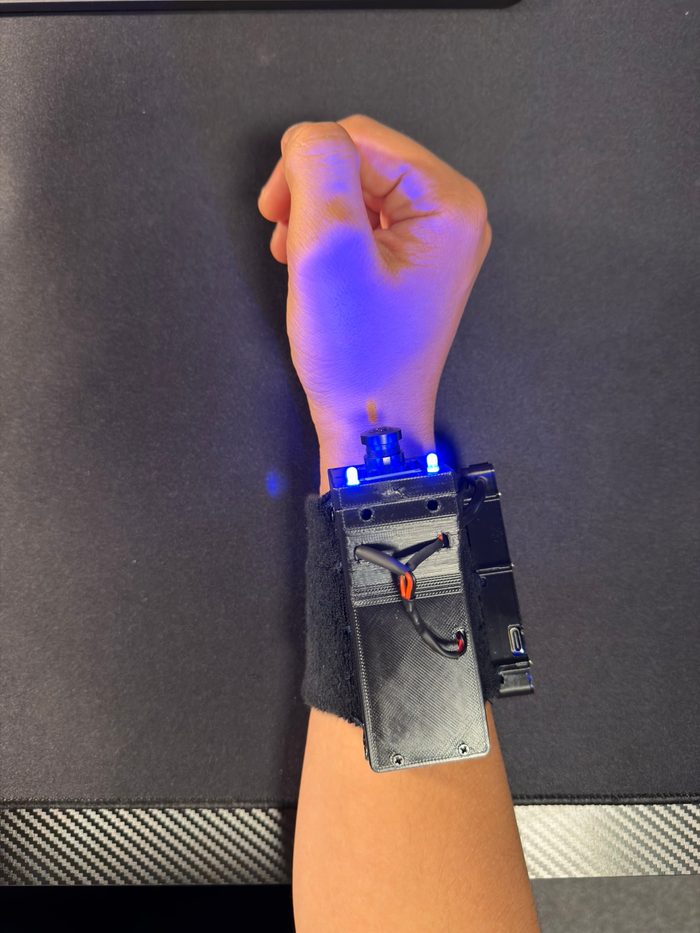
A camera on the wrist sees exactly what the hand is doing, deep inside the structure.

Display

The hidden view streams into the MIRAGE glasses, in the worker’s line of sight.

Control

Thumb gestures aim and operate the camera — hands stay on the task.

WRIST CAM — LIVE

CAPTURE — WRIST UNIT, LEDS ACTIVE

IN-GLASSES VIEW

DISPLAY — LIVE FEED AS THE WORKER SEES IT

Prototype works today · next: field-hardening & first industrial pilots
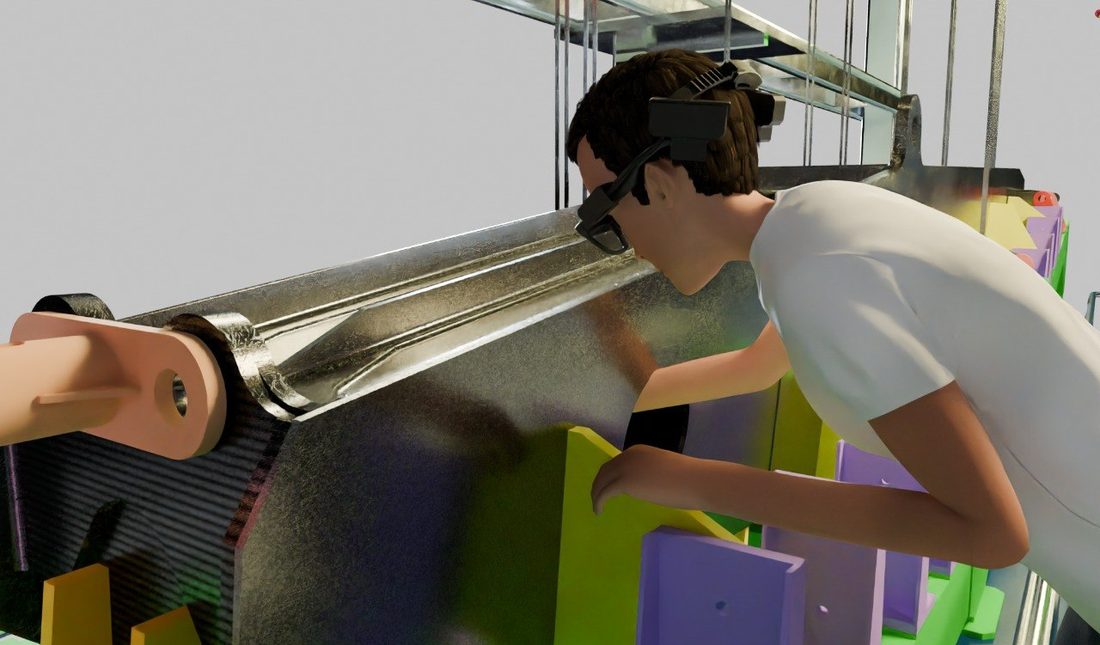
Concept render: a worker wearing the system at a pylon assembly station

Why us

Built by the engineer who designed the station where this problem lives

At COMAC, on a widebody aircraft programme, our founder engineered the assembly station for the pylon — the structure that joins the engine to the wing.

To fasten it, hands had to reach where the eyes couldn’t follow. The only fix on the table was cutting larger openings into the panels — trading away structural strength for access. SULTEK OPTICALS removes that trade-off.

Ex-COMACWidebody programmePylon assembly station